In recent years, virtual reality (VR) has rapidly evolved from being primarily associated with gaming and entertainment to becoming a transformative tool across various industries. One sector that has particularly benefited from this technology is real estate. The use of VR in real estate is not only reshaping how properties are marketed but also revolutionizing how buyers and sellers engage in property transactions. In this article, we’ll explore the growing importance of virtual reality in real estate and how it is changing the industry for the better.
Enhancing Property Tours with Immersive Experiences
One of the most notable applications of VR in real estate is the ability to offer immersive virtual property tours. Instead of relying on static images or videos, potential buyers can now explore properties as if they were physically present. Using VR headsets, they can walk through rooms, navigate different spaces, and even get a sense of scale and layout—all without leaving their current location. This is particularly beneficial for international buyers or those looking to relocate to a different city, as it eliminates the need for costly and time-consuming travel just to view a property.
Furthermore, VR tours can be available 24/7, allowing prospective buyers to view homes at their convenience. This on-demand availability increases accessibility and provides an unparalleled level of engagement for clients. The immersive experience also helps buyers visualize themselves living in the space, creating a stronger emotional connection to the property.
Saving Time and Money for Both Buyers and Sellers
Time efficiency is another significant advantage of VR in real estate. Traditional property visits can be time-consuming, requiring coordination between the buyer, the seller, and the real estate agent. With VR, buyers can quickly filter through several properties from the comfort of their home, narrowing down the selection before scheduling an in-person visit. This streamlines the entire process, ensuring that only the most serious and interested buyers visit the properties in person.
For real estate developers and sellers, VR offers substantial cost savings as well. Instead of investing in physical staging of properties or multiple open houses, a single VR model can be used to showcase the property to numerous clients, maximizing the return on investment. For properties still under construction, developers can create virtual models to give potential buyers a sense of what the finished property will look like, significantly speeding up the sales process.
Facilitating Off-Plan Sales
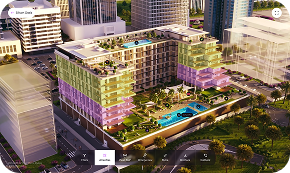
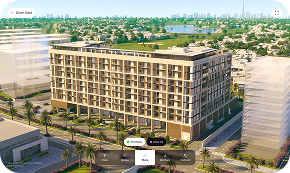
For off-plan properties (those that are still in the planning or construction phase), VR is a game-changer. Developers can use VR to create highly detailed 3D models of properties that have not yet been built, allowing potential buyers to walk through the home as if it were already finished. Buyers can explore various design options, make personalized adjustments to the layout, and even see how furniture would fit into different spaces. This level of customization provides a highly engaging experience that increases buyer confidence and reduces the risk associated with purchasing a property sight unseen.
Virtual reality also helps developers market their projects more effectively. Instead of relying on floor plans, blueprints, or renderings, VR provides an interactive and immersive way to experience the final product, making it easier to secure pre-construction sales.